Why You Aren’t "Too Out of Shape" to Start CrossFit (And What Your First Class Actually Looks Like)
Getting started with CrossFit
By
September 8, 2026

Why You Aren’t "Too Out of Shape" to Start CrossFit (And What Your First Class Actually Looks Like)
If you’ve ever scrolled through social media and seen videos of people doing backflips off pull-up bars, lifting heavy barbells, and moving at superhuman speeds, you might think to yourself: “CrossFit looks intense. I need to get in shape BEFORE I try that.”
It’s one of the most common fitness myths out there the idea that you have to reach a baseline level of fitness before stepping foot in a CrossFit gym (often called a "box").
Here’s the absolute truth: You are not too out of shape for CrossFit.
In fact, starting CrossFit is one of the best ways to get into shape, regardless of your starting point. Here is why you’re ready right now, along with a step-by-step breakdown of what your very first class will actually look like.
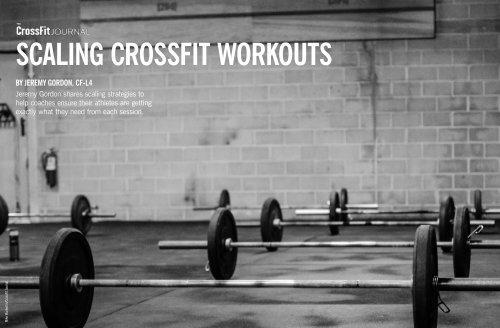
The founding principle of CrossFit is that the needs of an elite athlete and a total beginner differ by degree, not by kind. Every single movement in CrossFit can be modified (or "scaled") to meet you exactly where you are today.
Can’t do a pull-up? You’ll use rubber resistance bands or do ring rows.
Can’t do a push-up on the floor? You’ll do them against a wall or elevated on a box.
Can’t run 400 meters? You can walk, row, or ride an stationary bike.
That person in class lifting heavy weights? They started somewhere too. CrossFit coaches are specifically trained to coach beginner movements and help athletes adjust weights and movement patterns. You won't be expected to do what experienced members are doing.
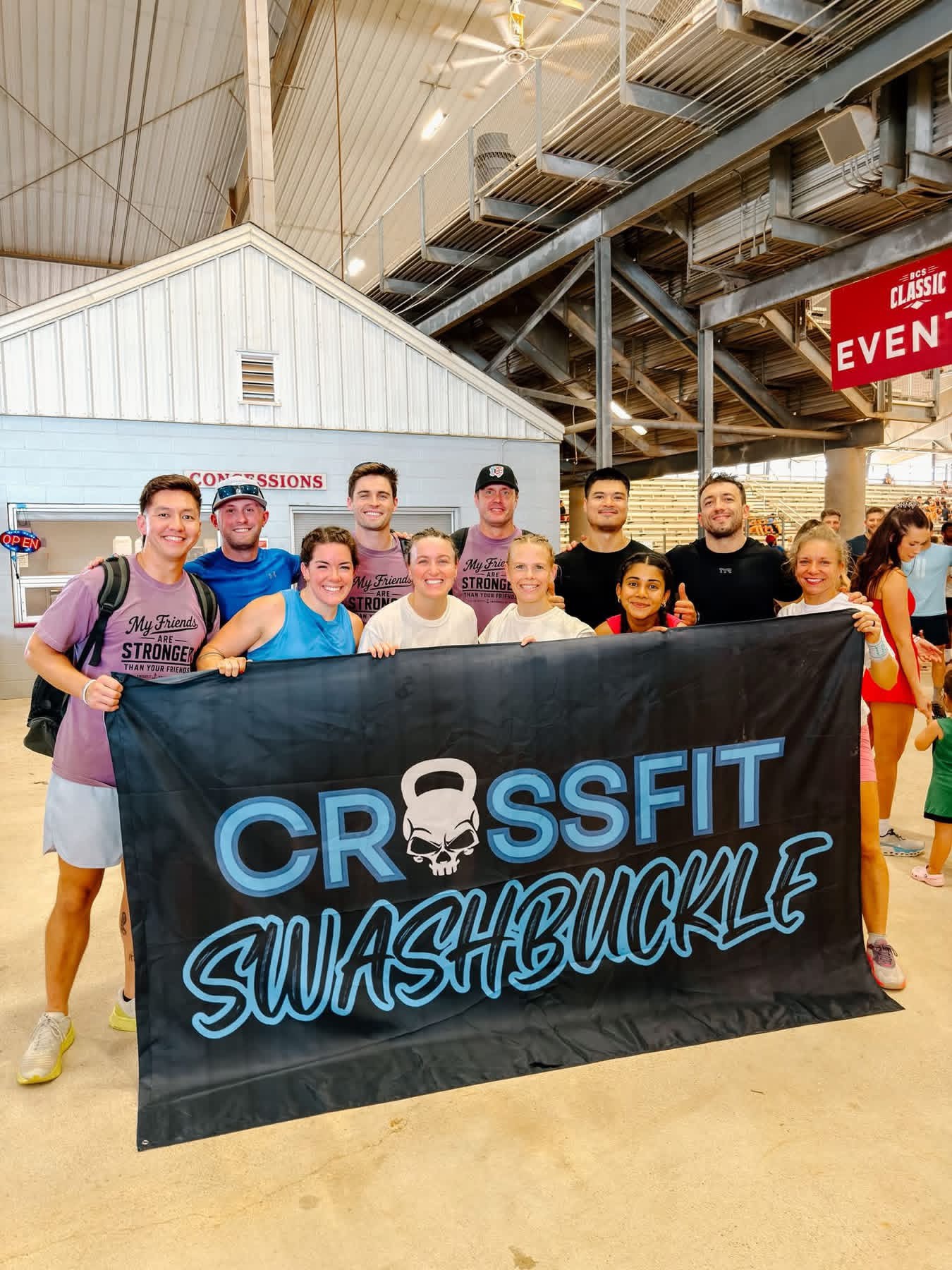
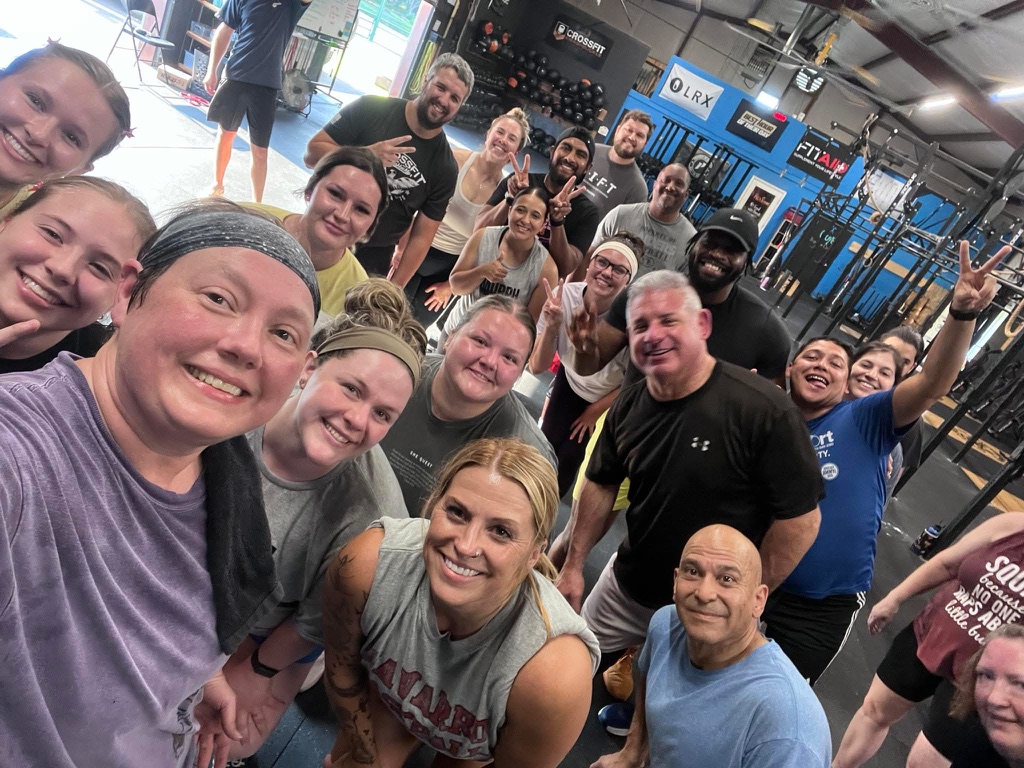
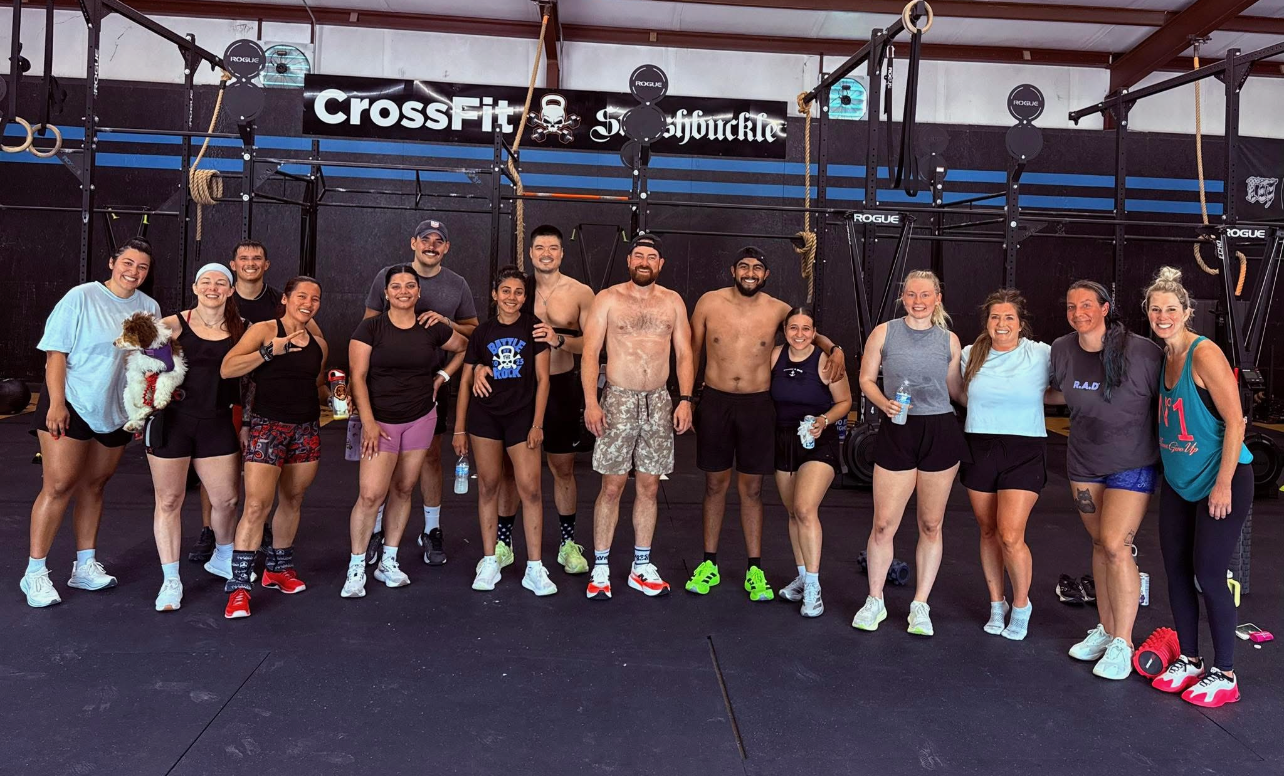
CrossFit is a community-driven workout, but it isn't a competition with the person next to you. The goal is personal progress. Whether you complete a workout in 5 minutes or 15 minutes, the community cheers just as hard for the last person to finish as they do for the first.
Nervousness usually comes from not knowing what to expect. While every gym has its own vibe, most CrossFit classes follow a predictable, structured 60-minute format:
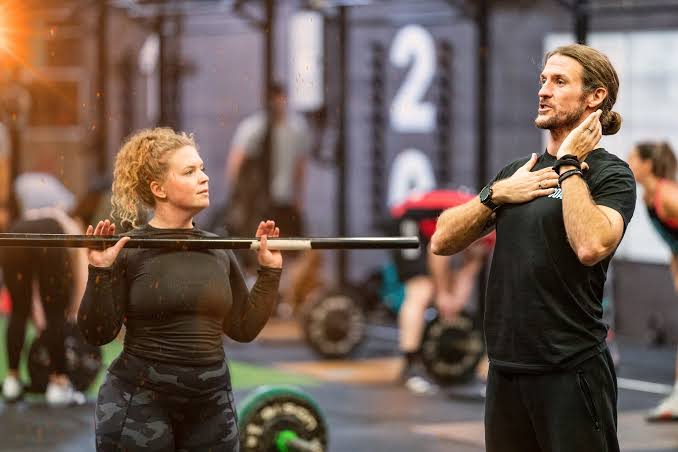
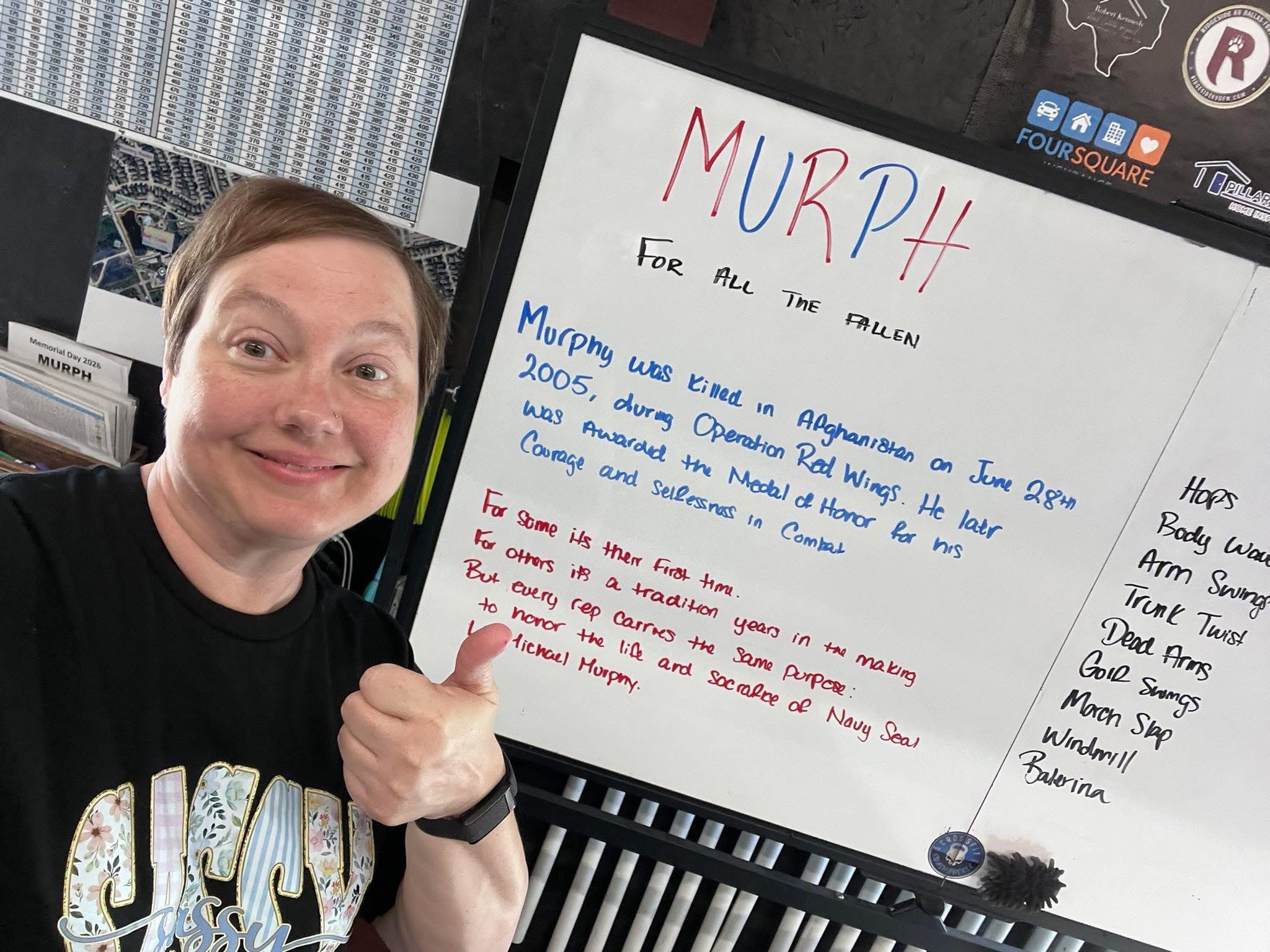
When you walk in, you’ll meet the coach and the rest of the class. The coach will walk everyone through the whiteboard, explaining the workout of the day (the WOD), the intended focus, and how each movement can be scaled. This is your chance to tell the coach about any pre-existing injuries or concerns.
You won't just jump straight into heavy lifting or intense cardio. Class starts with a guided warm-up designed to get your heart rate up, lubricate your joints, and prime the muscles you’ll be using that day.
Before the fast-paced part of class, you’ll focus on a specific skill or lifting technique. This could be practicing squats, deadlifts, or kettlebell swings. The coach will watch your form, correct your technique, and help you select the appropriate weight (which, on day one, might just be a wooden PVC pipe or light dumbbells).
This is the core workout. While it sounds intimidating, most WODs are relatively short! They combine cardio, bodyweight movements, and weights in a fun, high-energy format. You’ll go at your own pace, focusing on good technique rather than speed.
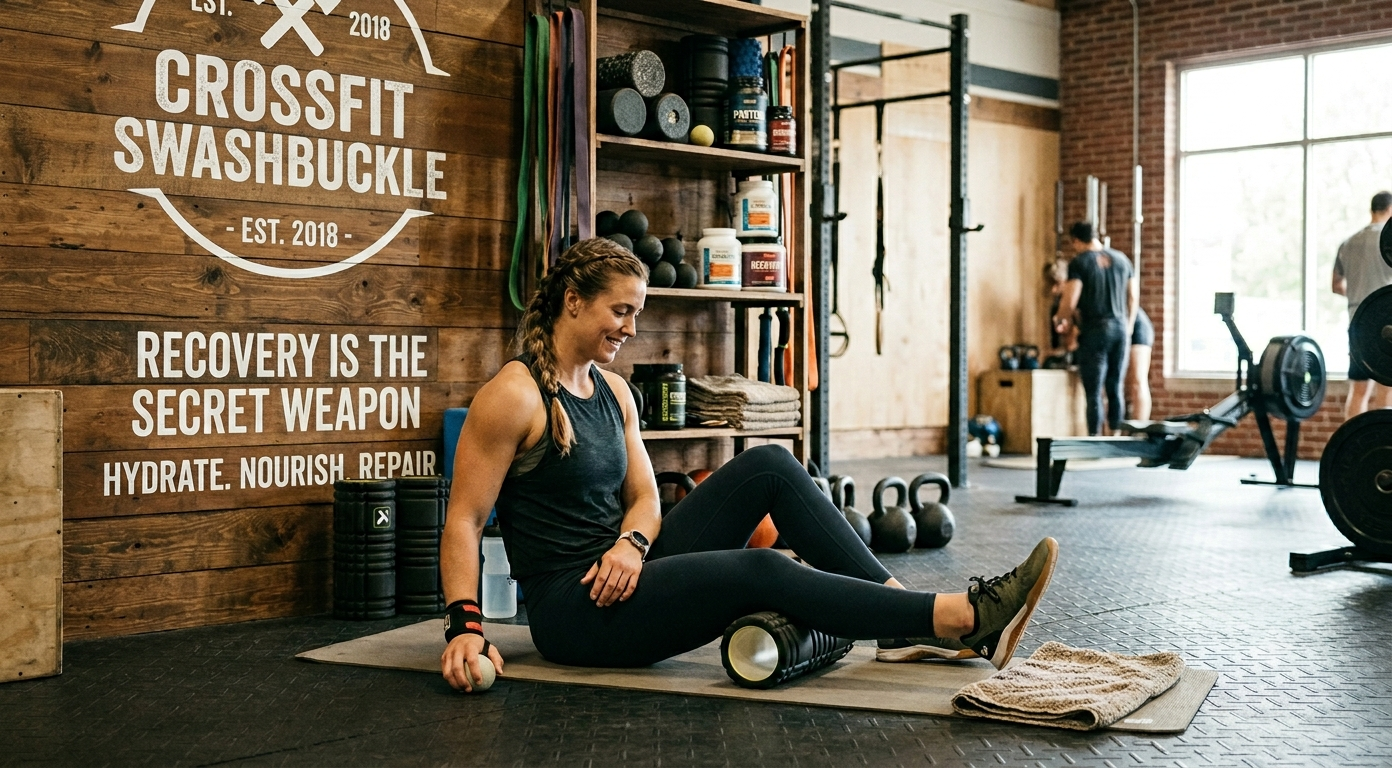
Once the timer stops, the class cools down together with light stretching or foam rolling. Expect high fives, fist bumps, and plenty of encouragement from fellow class members.
Leave Your Ego at the Door: Forget what anyone else is doing. Focus entirely on learning the movements safely.
Communicate with Your Coach: Let them know it's your first time. A good coach will check in on you frequently throughout the session.
Hydrate and Have Fun: Bring a water bottle, wear comfortable workout clothes, and don't take it too seriously, fitness is meant to be enjoyable!
You don't need to lose 10 pounds, run a mile, or buy expensive gear before walking through the doors. All you need is a willingness to show up and try.