The Anabolic Secret: Why Sleep is Your Ultimate Performance Tool
Recovery. The importance of sleep
By
August 4, 2026


You can spend hundreds of dollars on fancy supplements, dial your macro count down to the single gram, and follow a perfect training program, but if you're skimping on sleep, you're leaving most of your gains on the table.
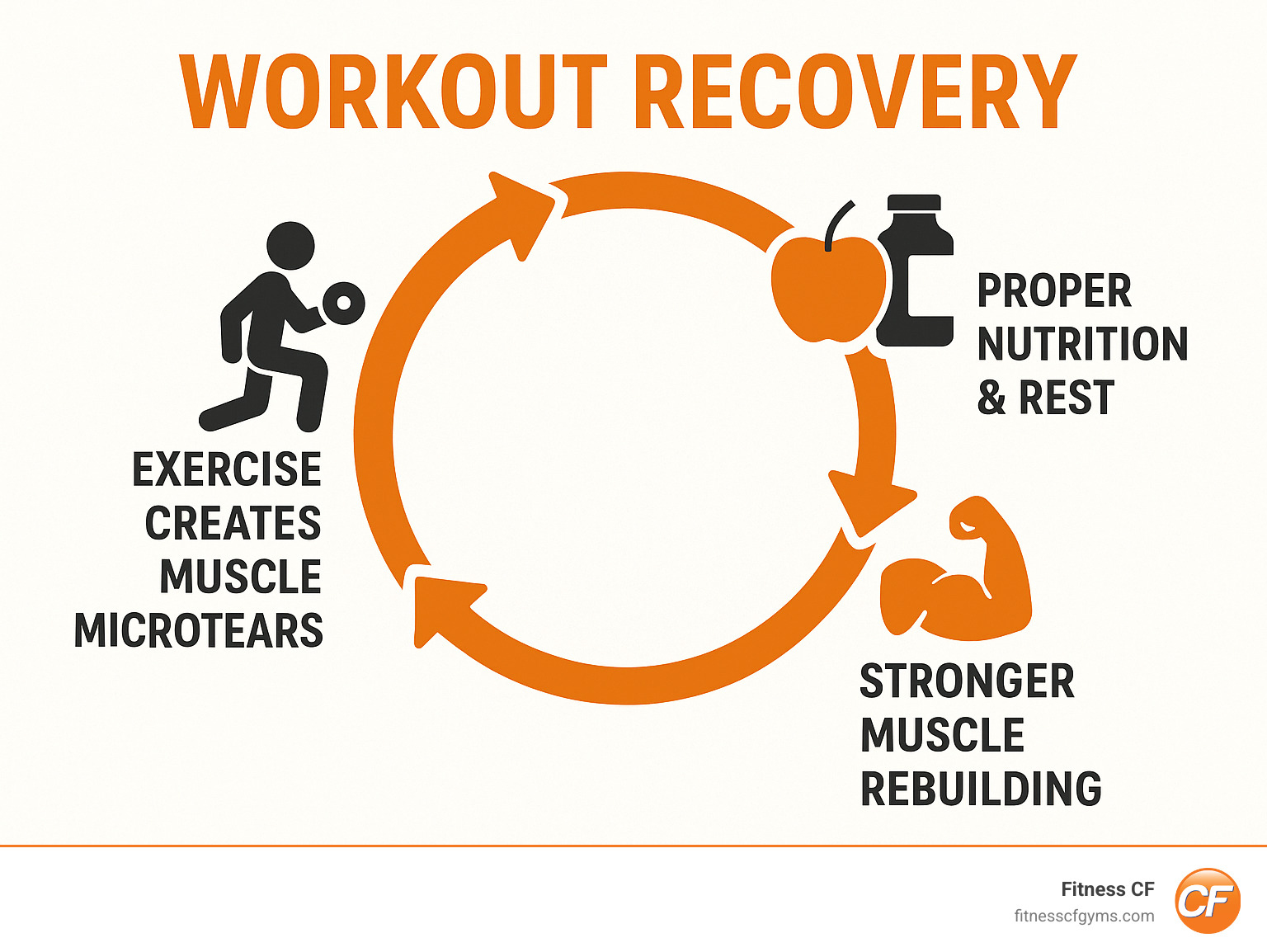
We often think of training as the place where we get stronger, faster, and fitter. The truth? Training breaks your body down. Recovery builds it back up.
And when it comes to recovery, sleep isn't just one piece of the puzzle it’s the entire foundation.
During intense physical exertion, you create microscopic tears in your muscle tissue. Your body rebuilds these fibers to be stronger and denser than before, but that rebuild requires a very specific biological window: Slow-Wave Sleep (Deep Sleep).
During Stage 3 and Stage 4 deep sleep, key physiological processes occur:
If you cut your sleep short by two hours, you aren't just missing out on rest you are actively cutting off your body’s natural human growth hormone supply.
Physical recovery is only half the battle. High-intensity movement, heavy lifting, and skill work rely heavily on your Central Nervous System (CNS).
When your CNS is fatigued, motor unit recruitment drops. That means:
Sleep acts as a neurological reset. While deep sleep repairs physical tissue, REM (Rapid Eye Movement) sleep consolidates motor memory. Whether you're refining a snatch technique, mastering a double-under rhythm, or learning a complex movement sequence, your brain solidifies those neural pathways while you dream.
Chronic sleep deprivation flips your endocrine system upside down:
You don't just need more sleep; you need quality sleep.
Hard work in the gym creates the opportunity for adaptation, but sleep is where that adaptation actually takes place. If you want to move better, lift heavier, and avoid injury, stop viewing sleep as a luxury or an afterthought. Treat your bedtime with the exact same discipline you bring to your workouts.