Beyond the Ice Bath: The 3 Non-Negotiables of Muscle Repair
Recovery, Muscle Repair, Performance, Health Tips
By
April 20, 2026

In the world of high-intensity training, recovery is often treated like a luxury, something we do with fancy gadgets or expensive supplements if we have the time. We see the videos of pro athletes in chest-deep ice baths or wearing compression boots that look like spacesuits, and we think that is the secret to performance.
But here is the reality: You cannot out-supplement or out-chill a lack of foundations.
If you want to hit your 2026 goals, feel less "beat up" on Thursdays, and actually see the results of your hard work in the gym, you need to master the three non-negotiables of muscle repair.
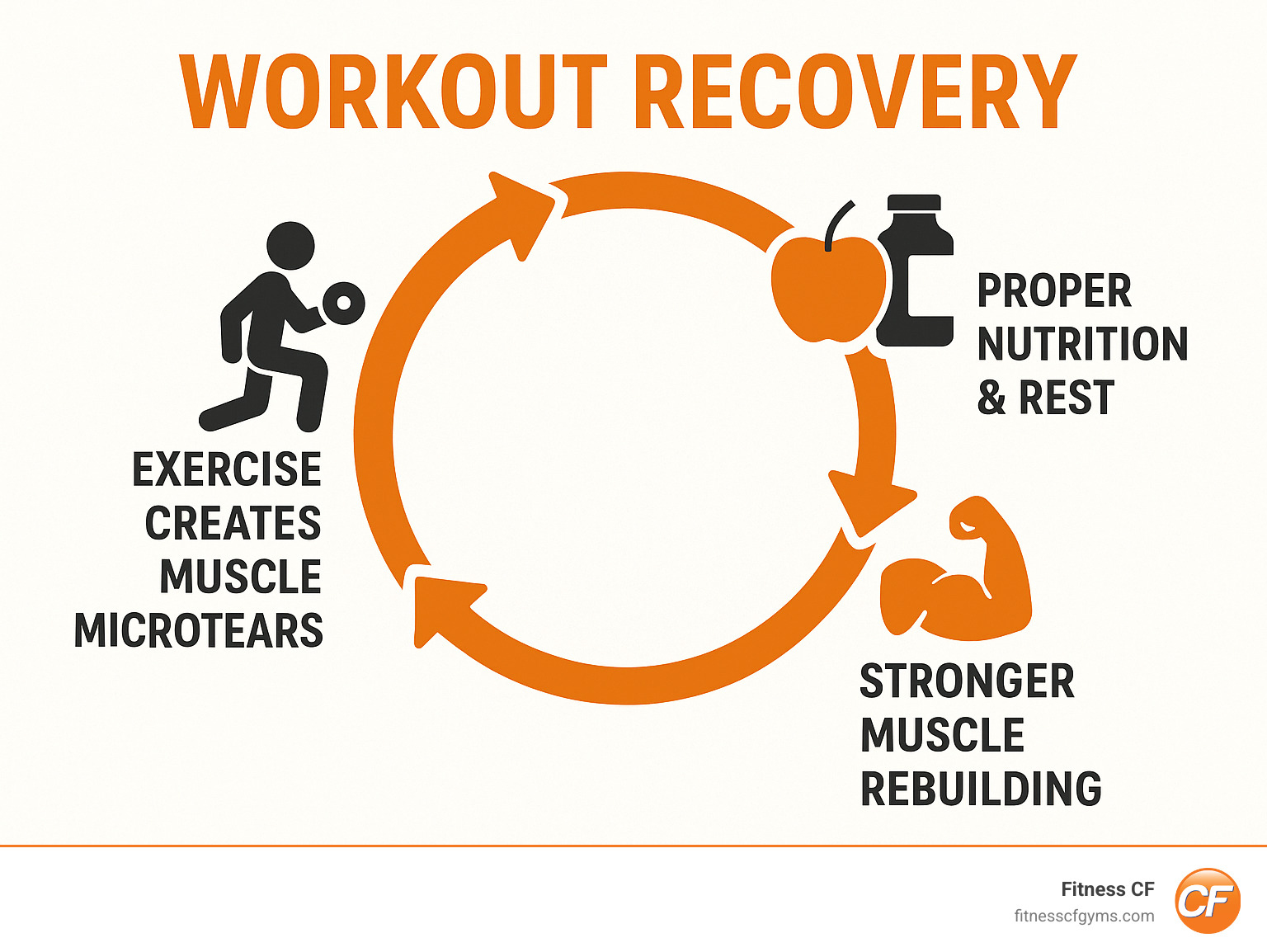
Sleep is the only time your body truly shifts into a purely anabolic (building) state. During deep sleep, your body releases a massive surge of growth hormone, which is responsible for repairing the micro-tears in your muscle fibers caused by heavy lifting and high-volume metcons.
The Goal: Aim for 7–9 hours.
The Pro-Tip: It’s not just about quantity; it’s about quality. Keep your room cool (65–68 degrees) and turn off screens 30 minutes before bed. If your brain is still "on" from the day’s work, that's a signal your nervous system isn't ready for deep repair.
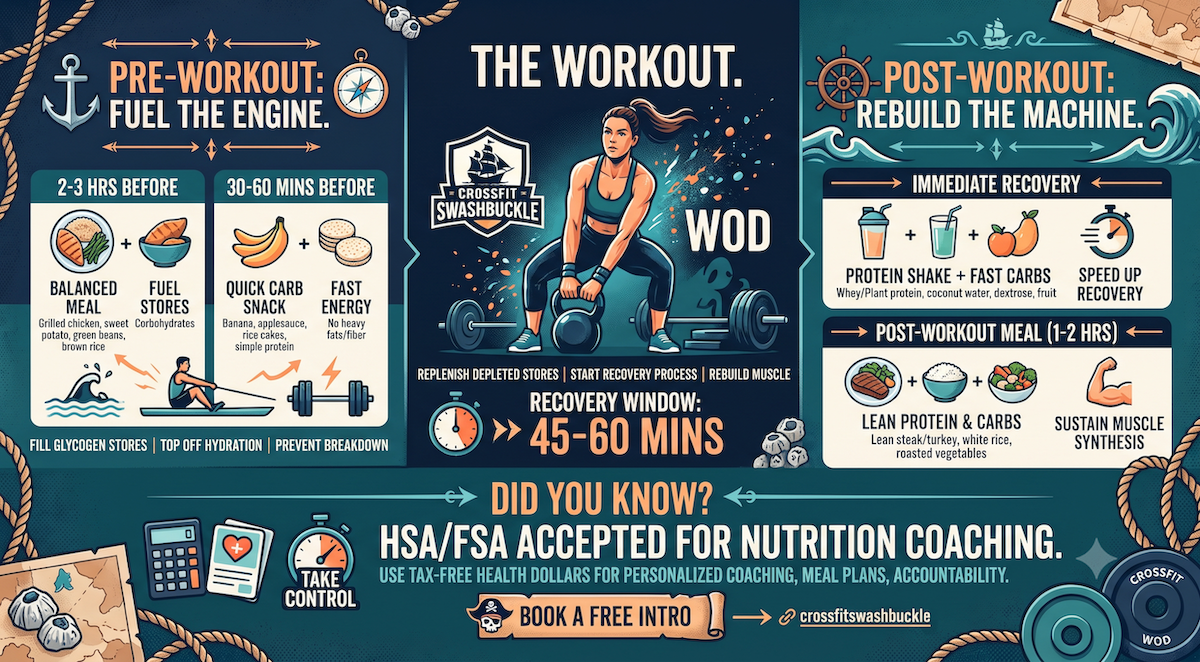
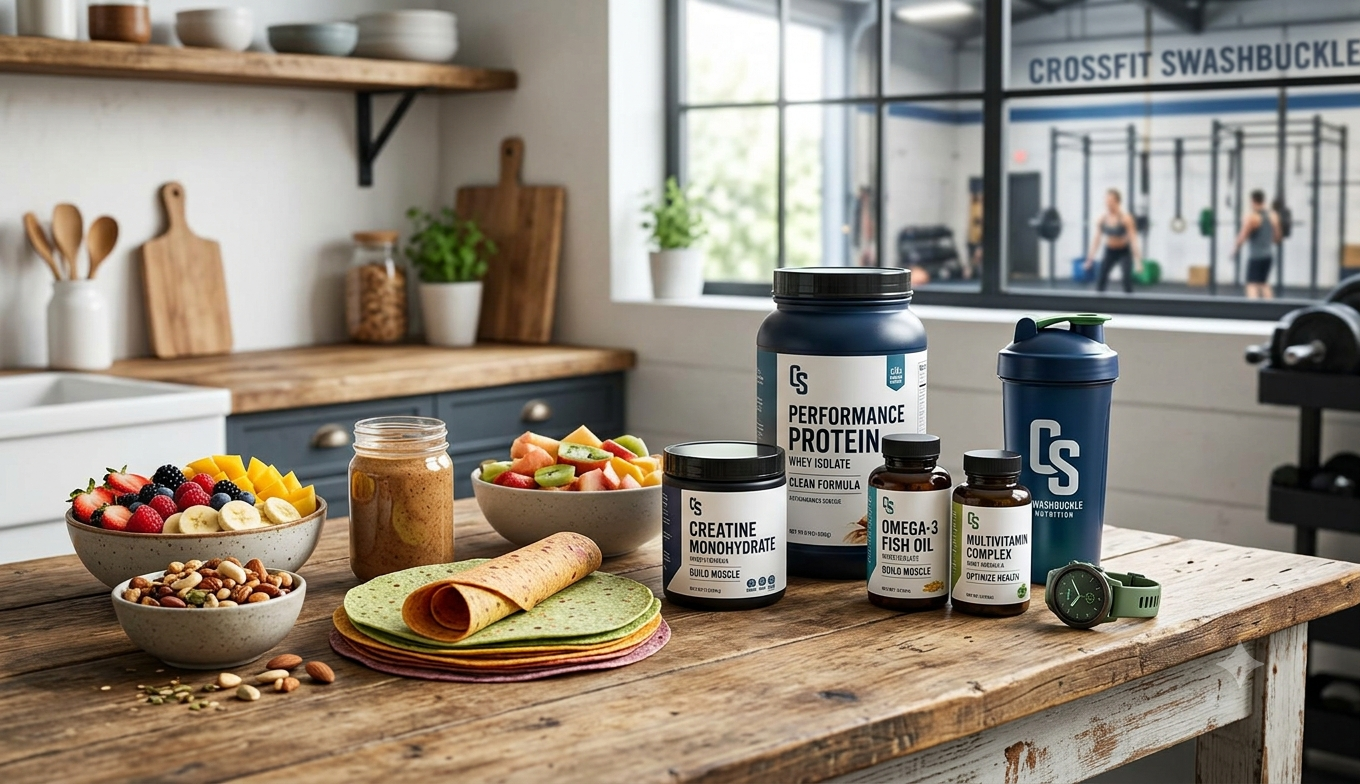
We know protein builds muscle, but most people back-load it, eating a small breakfast and a massive dinner. To maximize recovery, your muscles need a steady "drip" of amino acids to stay in a state of repair throughout the day.
The Goal: Aim for roughly 1 gram of protein per pound of body weight.
The Pro-Tip: Prioritize a high-quality protein source within 60 minutes of finishing your workout. This "anabolic window" is when your muscle cells are most sensitive to insulin and ready to shuttle nutrients toward repair rather than storage.
When you sweat during a grueling session, you aren't just losing water; you’re losing electrolytes like sodium, potassium, and magnesium. These minerals are the electrical "wiring" for your muscles. If they are depleted, your muscles will feel sluggish, cramp more easily, and take longer to flush out metabolic waste.
The Goal: Drink half your body weight in ounces of water daily, plus extra on training days.
The Pro-Tip: Don’t just drink plain water all day. Adding a pinch of sea salt or a dedicated electrolyte supplement to your post-workout water can significantly reduce that "heavy" feeling in your limbs the next morning.
Ice baths and massage guns are great "extras," but they are the 1% on top of a 99% foundation. This week, focus on the Big Three. Your PRs and your joints will thank you.