Scaling Isn't Cheating: Why Modifying Workouts Is the Ultimate Fitness Power Move
Scaling
By
August 17, 2026
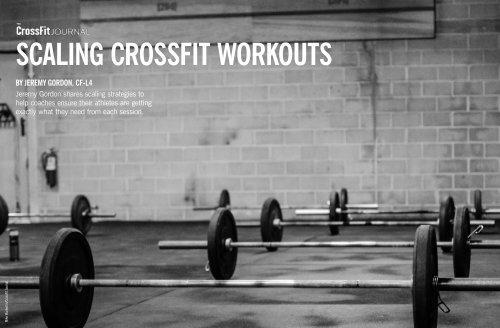

Picture this: You walk into the gym, look at the whiteboard, and see a workout with 135 lb overhead squats and chest-to-bar pull-ups. Your immediate reaction? A mix of dread and hesitation. You see other members grabbing heavy plates and RX’ing the workout, so you feel compelled to push past your limits just to match what’s written on the board.
Here is the truth: Scaling a workout is not a shortcut, a sign of weakness, or "cheating." It is the smartest, most effective way to build sustainable strength and avoid injuries.
Here is why modifying movements is actually the ultimate fitness power move.
Every CrossFit workout is designed with a specific goal in mind. Some workouts are meant to be fast-paced cardio sprints, while others are heavy, slow grinds.
If a workout calls for 30 clean and jerks that you are supposed to finish in under five minutes, but you choose a weight so heavy that it takes you 15 minutes of single reps, you’ve completely missed the intended training effect. By scaling the weight to something you can move with speed and consistency, you get the exact heart-pumping, cardiovascular stimulus the workout was designed to deliver.
Intensity produces results, but only when built on a foundation of sound mechanics. Loading a barbell before you’ve mastered the movement pattern doesn’t make you stronger it just increases your risk of injury and reinforces bad habits.
Scaling allows you to build motor control, range of motion, and positional strength under manageable loads. Once the technique becomes second nature, the weight and speed will follow naturally.
The key to long-term fitness progress isn't how hard you can push yourself on one random Tuesday it's whether you can keep showing up week after week, month after month.
Pushing through poor form or using weights that are too heavy leads to unnecessary soreness, burnout, or injury. Scaling ensures that you leave the gym feeling challenged yet energized, ready to come back tomorrow and do it again.
Next time you look at the whiteboard, try using these three principles to guide your decisions:
- Prioritize Movement Quality: If your form breaks down significantly under fatigue, it’s a clear sign to lower the weight or scale the movement complexity.
- Ask Your Coach for the Target Time/Pace: Before the workout starts, ask what the intended stimulus is. Should this feel like a 5-minute sprint or a 20-minute endurance session?
- Focus on Progression, Not Comparison: Fitness is an individual journey. The person next to you might be using a heavier barbell, but if you are working at your threshold with proper form, you are getting the exact same fitness benefits.
Remember: the whiteboard is a guide, not a judge. The next time you strip plates off a bar or grab a resistance band for pull-ups, own it. You aren't taking the easy way out you're training smart.