What is Heart Rate Variability?
Heart Rate Variability & Recovery
By
August 24, 2026

Understanding Heart Rate Variability (HRV) is one of the most effective ways to optimize recovery, fine-tune training intensity, and avoid burnout.
Instead of guessing whether your body is ready to crush a heavy workout or needs an active recovery day, HRV provides direct insight into your nervous system's stress levels.
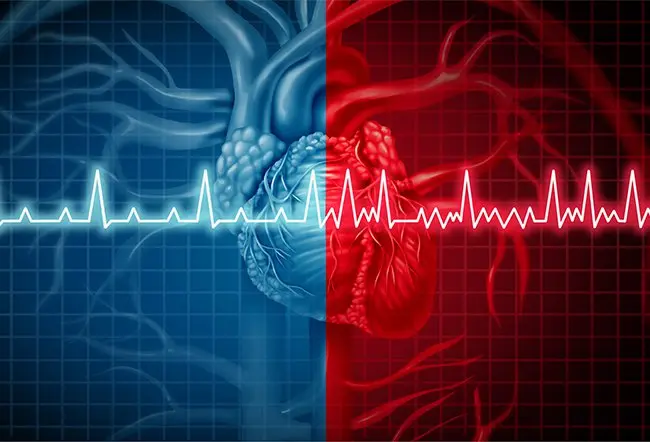
Contrary to what you might expect, a healthy heart does not beat like a metronome. If your heart rate is 60 beats per minute, it isn’t beating exactly once every second. There are micro-fluctuations: one gap might be 0.9 seconds, while the next is 1.1 seconds.
HRV measures the variation in time between consecutive heartbeats.
This variance is controlled by your Autonomic Nervous System (ANS), which has two main branches:
- Sympathetic Nervous System ("Fight or Flight"): Drives arousal, stress, and action. It decreases beat-to-beat variability, keeping heart rhythms rigid and uniform.
- Parasympathetic Nervous System ("Rest and Digest"): Handles recovery, digestion, and adaptation. It increases beat-to-beat variability, creating a dynamic, adaptable rhythm.
High HRV means your parasympathetic system is active, your nervous system is resilient, and your body is ready to handle stress. Low HRV indicates elevated physical or mental stress, signaling that your body is still recovering.
Your HRV acts as a real-time dashboard for your total stress load combining training volume, sleep quality, work stress, and nutrition.
- Smarter Workouts: A high HRV score signals a green light for high-intensity training, heavy lifting, or long engine sessions.
- Injury & Overtraining Prevention: A sudden or sustained drop in HRV indicates under-recovery. Pushing through low HRV scores increases the risk of overtraining, systemic fatigue, and injury.
- Immune & Health Tracking: HRV often drops 24 to 48 hours before you feel sick, giving you an early warning to prioritize rest.
HRV is highly personalized, but consistent habits directly improve baseline scores over time.
1. Prioritize Sleep Hygiene: Sleep is the primary window for parasympathetic dominance. Keep a consistent sleep schedule and aim for 7–9 hours in a cool, dark room.
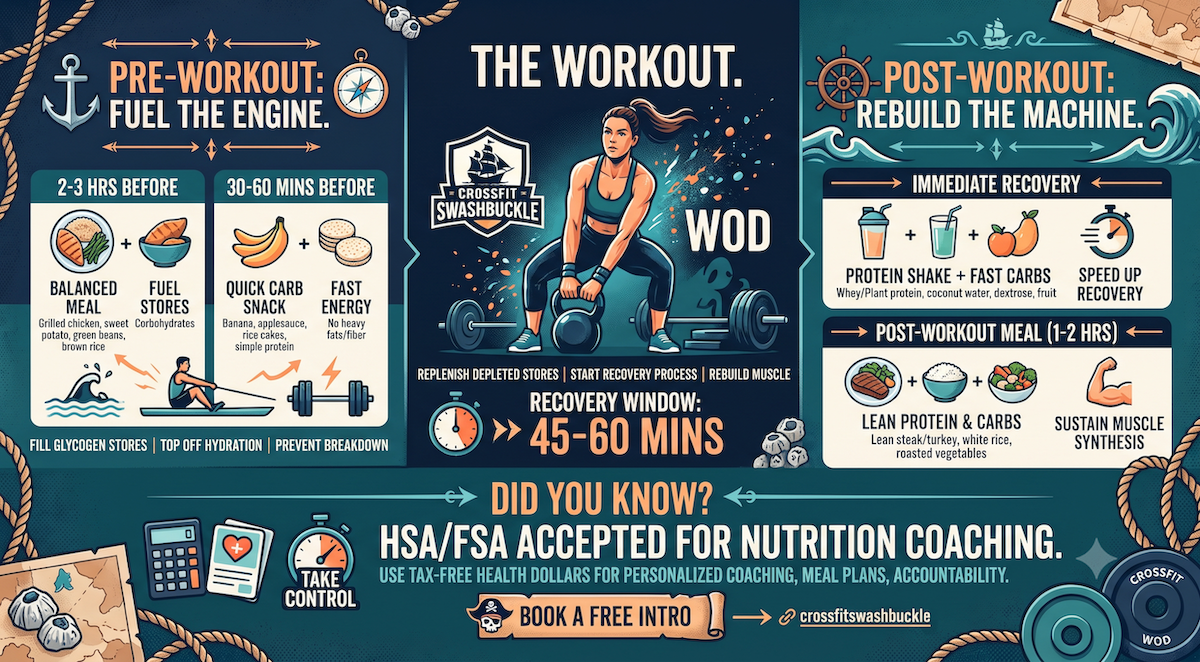
2. Optimize Post-Workout Nutrition & Hydration: Dehydration directly lowers HRV by straining the cardiovascular system. Fuel with balanced electrolytes, quality carbohydrates, and protein post-session to initiate tissue repair quickly.
3. Incorporate Breathwork: Down-regulate your nervous system using box breathing (4s inhale, 4s hold, 4s exhale, 4s hold) or physiological sighs (two quick inhales through the nose, long exhale through the mouth). Just 5 minutes post-workout can shift your body into recovery mode.
4. Limit Alcohol & Late-Night Meals: Alcohol severely disrupts sleep architecture and tanks HRV overnight even in small amounts. Eating heavy meals within 2–3 hours of bed keeps your digestive system working, elevating resting heart rate and depressing HRV.
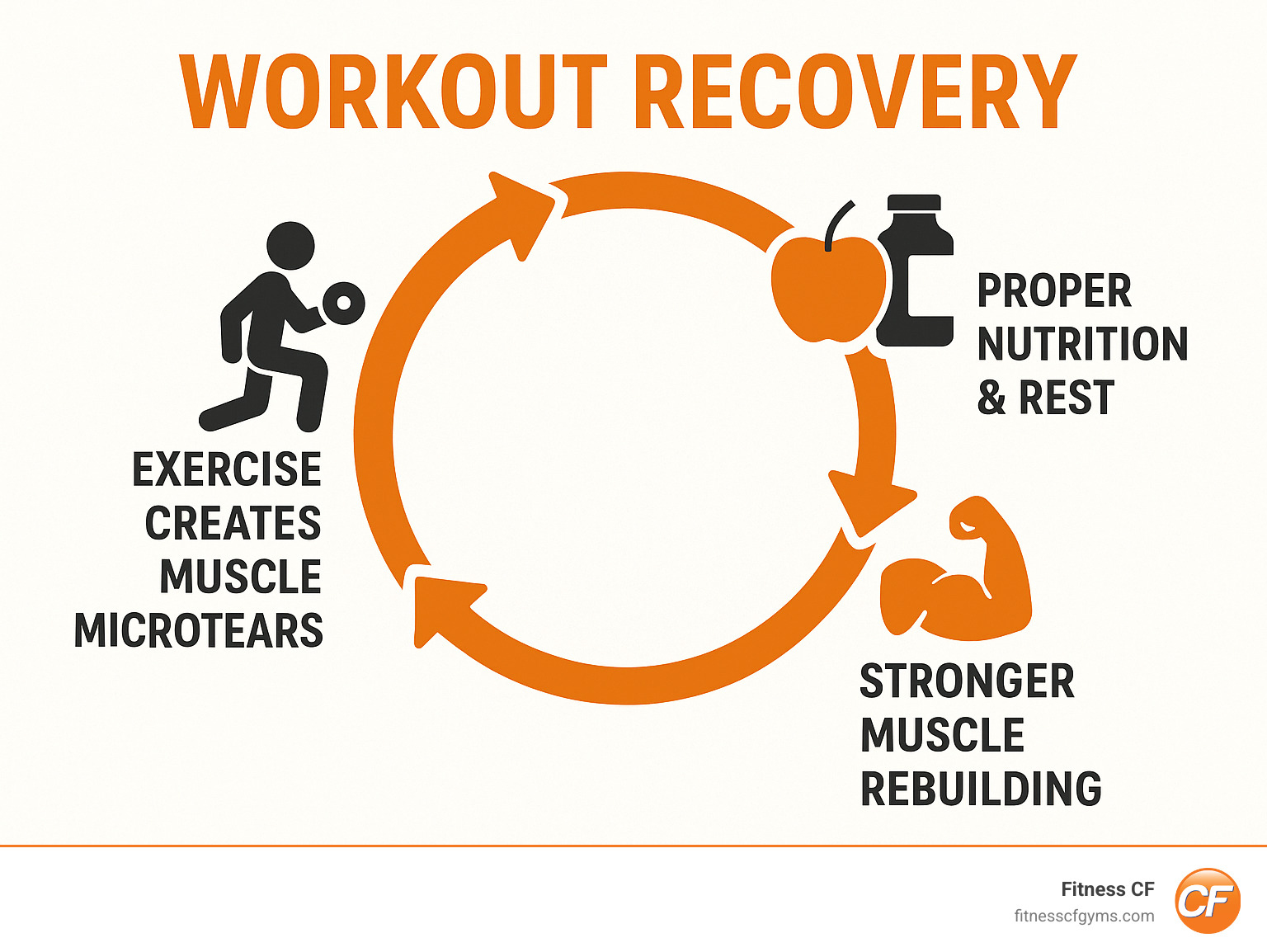
5. Implement Strategic Deloads: Balance hard training weeks with scheduled active recovery or deload phases to allow your baseline HRV to rebound and adapt.
Don't compare your HRV raw numbers to others a "good" score depends entirely on age, genetics, and baseline fitness. Track your numbers for 2–3 weeks using a wearable (like a Whoop, Oura, or Garmin) to establish your personal baseline, then watch for trends rather than daily spikes.